
Reinventing your kitchen on a daily basis doesn’t necessarily involve complex recipes or rare ingredients. The question today is more about the method: how to structure your meals for the week to save time, reduce waste, and keep pleasure on your plate? Between batch cooking, optimized cooking by appliance, and cost-per-portion logic, easy and delicious recipes turn into real tools for meal planning.
Batch cooking versus on-the-fly recipes: how the preparation method changes things
The difference between cooking every evening and grouping your preparations into one or two weekly sessions goes beyond the time spent in the kitchen. Batch cooking alters the very nature of the chosen recipes.
Apps like Jow or Save Eat offer cross-cooking plans with automatic shopping lists, designed for a tight budget and waste reduction. This approach goes beyond just a recipe card: it includes a cost-per-portion calculation and a logic of complete menus for the week.
| Criterion | Batch cooking (1-2 sessions/week) | On-the-fly cooking (daily) |
|---|---|---|
| Total time in the kitchen | Reduced over the week | Higher cumulative |
| Perceived variety of dishes | Average (recipes designed to combine) | High (spontaneous choices) |
| Food waste | Low (calibrated purchases) | Variable |
| Cost per portion | Optimized (shared ingredients) | Less controlled |
| Adaptability to unforeseen events | Low | High |
Batch cooking favors recipes based on legumes (lentils, chickpeas), pasta, soups, or stews that reheat well. In contrast, composed salads, quick chicken stir-fries, or air fryer dishes lend themselves better to spontaneous preparation.
To explore recipes organized by type of dish and season, resources like the cooking page of À Nos Petits Fourneaux allow navigation between these two logics without being limited to a single format.

Recipes for air fryers and multicookers: adapting dishes to the appliance
In recent years, everyday recipes have been structured around cooking equipment. Platforms dedicated to Thermomix (Cookidoo), Cookeo, or Philips Airfryer air fryers publish simple recipe bases calibrated for these devices, with optimized cooking times and pre-recorded programs.
This is not just a simple transfer of traditional recipes to a new tool. Cooking a roasted chicken or grilled vegetables in an air fryer reduces the amount of oil used and shortens preparation time. The multicooker, on the other hand, allows you to start a complete dish (soup, risotto, stew) without active supervision.
How the appliance changes recipe choices
- The air fryer favors crispy textures without frying: sweet potato fries, homemade nuggets, roasted vegetables. Recipes are short and suited for quick evening meals.
- The multicooker excels at saucy dishes, dessert creams, and programmable long cooking, which brings it closer to batch cooking through its logic of advance preparation.
- Online communities around these devices share local variations (gratin, seasonal veloutés) that large general recipe databases do not always reference.
Choosing recipes based on the available appliance rather than the other way around changes the way meals are planned. A household equipped with an air fryer and a multicooker covers most daily needs without resorting to a traditional oven.
Delicious recipes on a budget: the ingredients that make a difference
The food inflation reported by Insee during the 2022-2023 period has led many households to rethink their shopping list. Easy and delicious recipes that work with a tight budget rely on a core of versatile ingredients.
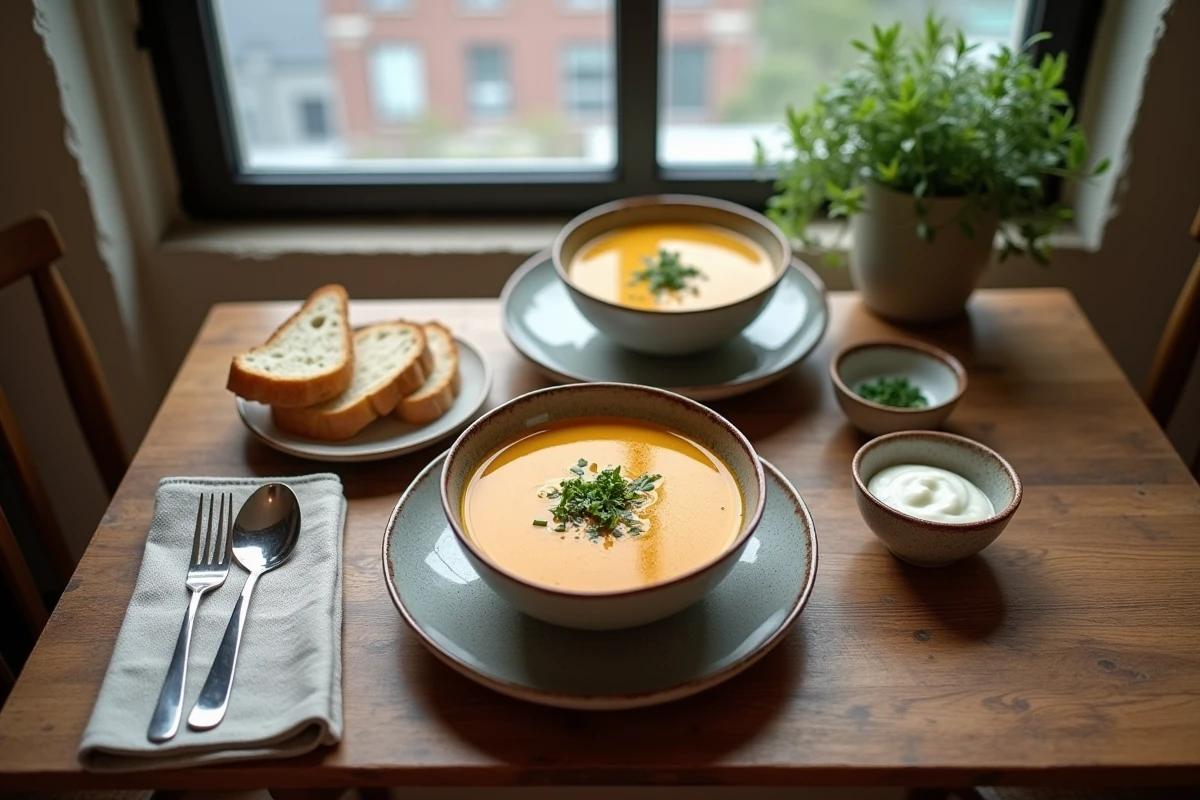
Lentils, pasta, cream, eggs, and seasonal vegetables form a base that can be adapted into dozens of different dishes: lentil salad, vegetable soup, creamy pasta, crustless quiche. The key lies in the seasonings and cooking techniques that transform these simple ingredients.
Three concrete levers to vary without increasing the budget
The first lever is seasoning. The same base of grilled chicken becomes a different dish depending on whether you use cumin, smoked paprika, or an old-fashioned mustard sauce. The cost of these spices relative to the number of dishes prepared remains marginal.
The second lever concerns texture. Roasting vegetables instead of steaming them, grilling stale bread to make croutons, blending a soup to achieve a velouté: the cooking technique transforms an ordinary dish into a gourmet recipe without adding expensive ingredients.
The third lever is seasonality. Seasonal vegetables are cheaper and tastier. A zucchini in summer or a leek in winter doesn’t need much accompaniment to make a good dish.
Planning meals for the week: the real time saver in the kitchen
Planning remains the factor that produces the clearest gap between households that cook with pleasure and those who endure the chore of daily meals. Menu generation tools (Jow, Manger Bouger with its Menu Factory) offer recipe selections tailored to the number of people and dietary preferences.
Planning does not mean rigidifying. An effective weekly menu keeps one or two “free” evenings to use leftovers or improvise with what’s left in the refrigerator. This built-in flexibility limits waste while avoiding monotony.
The goal is not to find the perfect recipe, but to assemble a system that lasts over time. A personal repertoire of about twenty easy, mastered, and appreciated recipes by the household covers a month of meals without perceived repetition. The rest is occasional experimentation, when time and desire allow it.