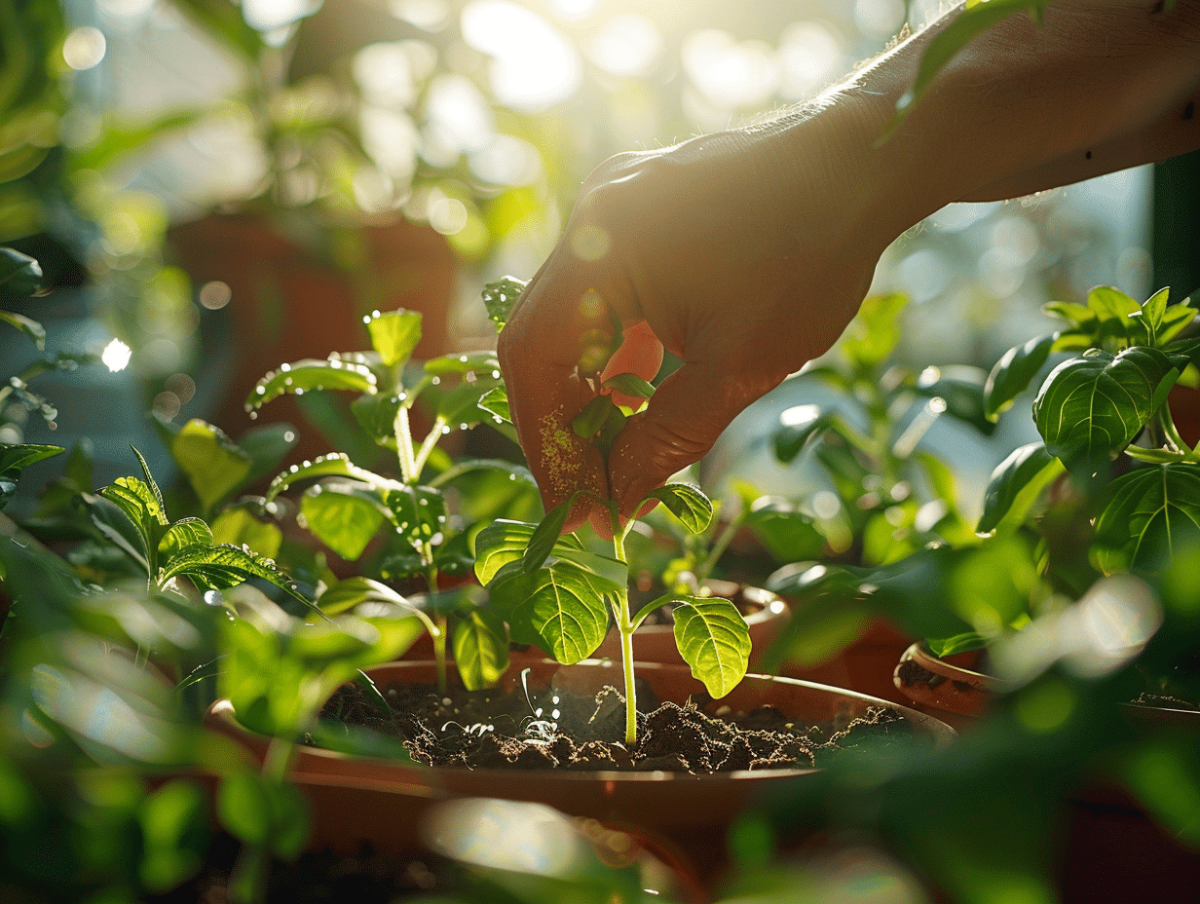
Cutting is an age-old horticultural method that allows for the economical and effective multiplication of plants. This technique, appreciated by both amateur and professional gardeners, involves rooting a fragment of a plant to give rise to a new individual genetically identical to the mother plant. The success of this operation lies in understanding and applying a few key principles. From selecting the right moment in the plant’s life cycle to the proper preparation of cuttings, as well as choosing the substrate and post-cutting care, each step contains tips to master in order to optimize the chances of success.
Mastering Cutting Techniques for a Flourishing Garden
Cutting, asexual propagation technique for plants, requires precision and care. To successfully propagate plants such as Maranta or Sansevieria, a deep understanding of their specific needs is essential. Each plant has its requirements, whether in terms of humidity, temperature, or light. The Maranta, for example, requires a humid and warm atmosphere to thrive from a cutting, while the Sansevieria is less demanding, capable of rooting in more varied conditions.
The use of appropriate tools, such as a well-sharpened pruner, is fundamental to achieve a clean and precise cut, thus avoiding damage to the mother plant and the cutting. The size of the cutting must be considered carefully: a section that is too short or too long could compromise root development. An appropriate substrate, often a mix of potting soil and sand, promotes aeration and water retention necessary for root formation. The honeysuckle cutting, for example, greatly benefits from light and draining potting soil to begin its growth.
Post-cutting follow-up is crucial for the survival and development of new plants. Maintaining controlled humidity, moderate but regular watering, and protection against temperature fluctuations are all factors that will positively influence rooting. Carefully observe the behavior of your cuttings and adjust the environmental conditions accordingly to ensure a flourishing garden, the result of your efforts and horticultural insight.
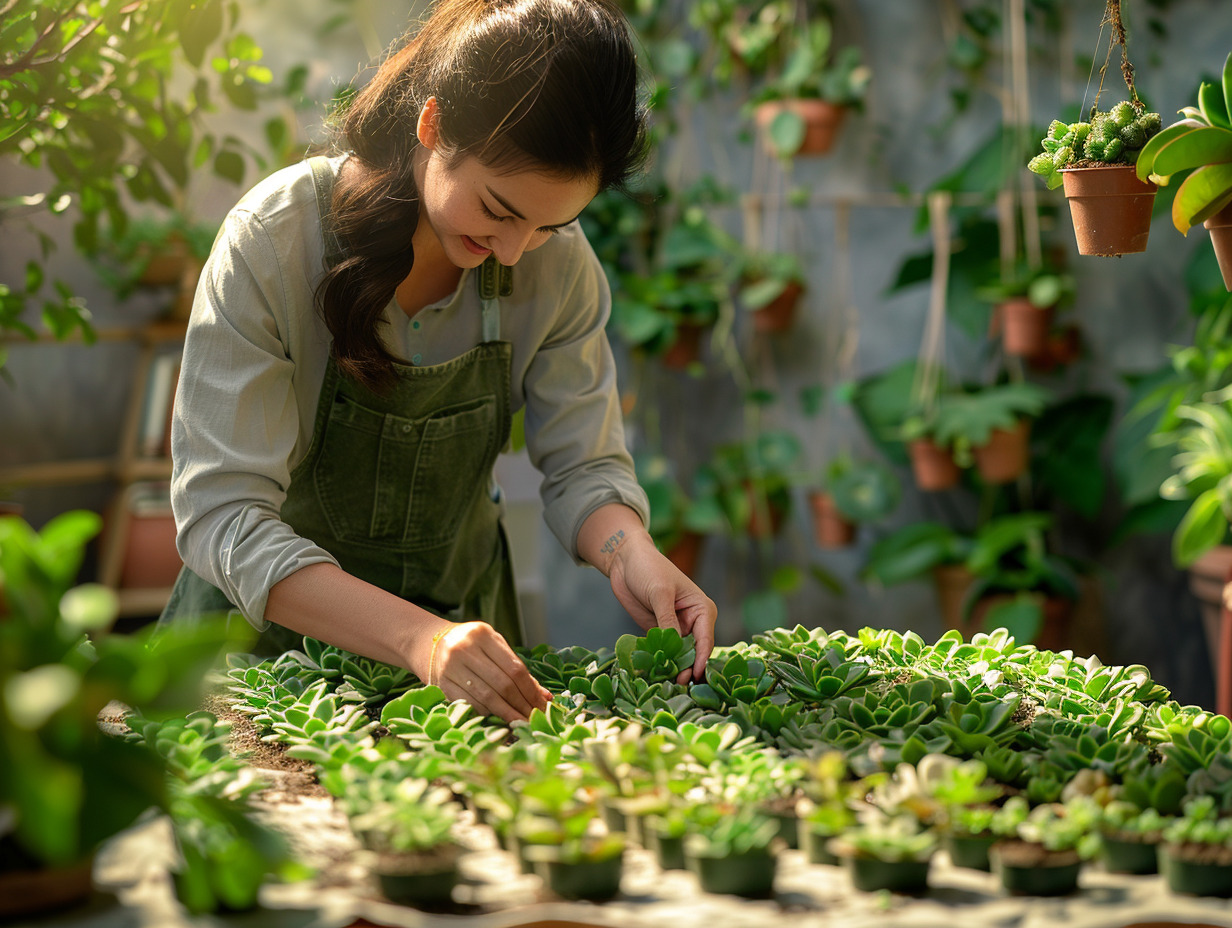
Practical Tips and Mistakes to Avoid for Effective Cutting
To succeed in cutting, timing is essential. Favor the active growth period of the plant, often spring or summer, to take your cuttings. During this season, plants have the energy needed to heal and develop new roots. Take healthy and vigorous stems, and use a clean pruner to avoid the transmission of diseases. A clean and angled cut will increase the surface area for water and nutrient absorption, thus promoting rooting.
The preparation of the substrate should not be overlooked. A mix of potting soil and sand ensures optimal drainage, a necessary condition to avoid the rotting of cuttings. Gently insert the cutting into the prepared substrate, without forcing it too much, to avoid damaging the still fragile tissues. The planting depth should be sufficient for the cutting to stand upright, but without submerging most of the stem, which could lead to decomposition.
A common mistake is overwatering the cuttings. While maintaining some humidity is necessary, excess water can lead to the appearance of fungi and the rotting of nascent roots. Prefer moderate watering, by misting water onto the substrate rather than flooding it. Check the moisture of the soil before watering again by inserting a finger. If the soil is moist at depth, wait before adding water.
The location where the cuttings will be placed should be chosen wisely. A bright area without direct sunlight and sheltered from drafts is ideal. Avoid temperature fluctuations, which are harmful to the development of young roots. Using a mini-greenhouse or a simple plastic bag can create a favorable microclimate, maintaining a constant temperature and humidity. Be sure to ventilate regularly to prevent excessive moisture buildup and the appearance of mold.